

Most patients find a dentist on Google in three quick steps. They type a local search like “dentist near me”. They scan the Map Pack and reviews. Then they call the practice that looks closest and most trusted.
That is the short answer. Now let me unpack it with UK data. By the end, you will know exactly where patients look and why they pick one surgery over another.
| Topic | Key point |
|---|---|
| First step | Patients start with a local Google search, mostly on mobile |
| Top search | “Dentist near me” drives huge daily volume and fast bookings |
| Map Pack | The local 3-pack gets seen first; proximity is a big factor |
| Reviews | Rating, count and recency drive both rankings and the click |
| Position | First result wins around 28% of clicks; page two is near invisible |
| Mobile | Most searches are mobile, so speed and click-to-call are vital |
| UK context | Tight NHS access pushes more patients to search online |
| Win the search | Optimise GBP, build reviews, fix the site, rank in the 3-pack |
The Patient Journey Starts With a Search
Almost every patient begins on a search engine. 93% of online experiences begin with a search engine. For dentistry, that journey usually starts on Google.
People also research before they ever pick up the phone. 71% of patients research a dentist online before booking an appointment. So your online presence is the first impression, not your front desk.
The intent here is high. 86% of users contact a dentist after running an online search. A strong listing turns searchers into ringing phones.
“Dentist Near Me” is The Search That Matters Most
The biggest pattern is local intent. Patients want someone close, and they say so in the search box. Terms like “dentist near me” and “emergency dentist near me” lead the way.
These searches happen at huge scale. 113,000 searches for “dentist near me” occur daily. Most of that demand is mobile and ready to act.
Local searches convert fast too. 78% of local mobile searches result in offline visits within 24 hours. A patient searching today often books today.
The Google Map Pack Decides Who Gets Seen
When someone searches locally, Google shows a map and three listings first. This is the Map Pack, also called the local 3-pack. Most patients never scroll past it.
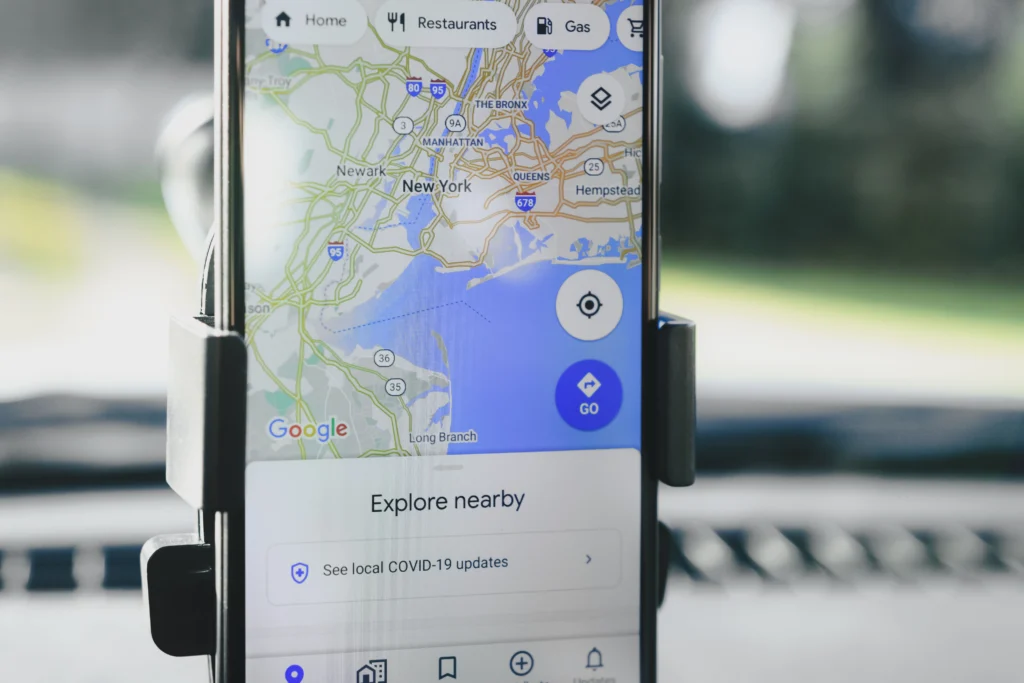
Proximity is a big factor here. Proximity alone accounts for 48% of the ranking influence in the Map Pack. But you cannot move your surgery, so the other signals carry your visibility.
This is where local SEO for dentists earns its keep. A well-built Google Business Profile pushes you into those top three spots. That is the difference between a full diary and a quiet phone.
Reviews Are the Deciding Factor
Once patients see the Map Pack, their eyes go straight to the stars. Your rating and review count decide who they trust. A thin review profile loses the click before you say a word.
Reviews shape rankings as well as decisions. Google reviews directly influence local search rankings and Local Pack placement. A practice with strong, recent Google reviews consistently outranks one with a better website but a thin review profile.

Recency and volume both matter. A steady flow of fresh five-star reviews builds momentum over time. So ask happy patients every week, not once a year.
Position On The Page Changes Everything
Getting found is one thing. Getting clicked is another. The top results take the lion’s share of attention.
Click data makes this clear. Nearly 28% of all online clicks go to the first result. The second and third results receive 15.8% and 11%.
Page two is a wasteland. Landing on the second page means less than a 1% chance of being clicked. If you are not near the top, you are close to invisible.
Most Patients Are Searching On A Phone
Picture the toothache at 11pm. The patient grabs a phone, not a laptop. That single habit shapes the whole journey.
Mobile is the main way people discover a surgery now. A slow or clumsy mobile site loses patients in seconds. Click-to-call buttons and fast pages keep them moving toward you.
This is why technical SEO matters so much. Speed, mobile layout and clean structure all help you rank and convert. Good on-page SEO does the rest by matching pages to what patients type.
Why The NHS Gap Pushes More Searches Online
UK context adds urgency to all of this. NHS access is tight, so more patients search for alternatives. Many turn to Google to find private and emergency care.
The access numbers are stark. 96.9 per cent of people without a dentist who tried to access NHS dental care were unsuccessful. In June 2023, around four in ten adults in England had seen a dentist in the previous two years.
The takeaway is simple. Patients are searching more, not less. A surgery that ranks well captures that overflow of demand.
How To Be The Practice Patients Find?
So how do you win these searches? You line up every signal patients and Google care about. Each one feeds the next.
Start with the basics that move the needle. Claim and optimise your Google Business Profile. Keep your name, address and phone number consistent everywhere, and build steady reviews.
Then strengthen the foundations underneath. A fast, mobile-friendly website with strong treatment pages helps you rank for high-value searches. If you want a head start, grab a free SEO audit and see exactly where you stand.
Frequently Asked Questions
How do most patients search for a dentist?
Most patients use local “near me” searches on Google, usually on a phone. They scan the Map Pack, check reviews, then call the closest, best-rated surgery.
Does my surgery need to be number one on Google?
The top three local results win the vast majority of clicks. You do not need every keyword, but you do need the Map Pack for your main searches.
Do patient reviews really affect Google rankings?
Yes. Reviews are a major trust signal, and Google rewards count, rating and recency. Surgeries with strong, recent reviews consistently outrank thin profiles.
How important is a mobile-friendly website?
Very important. Most dental searches happen on phones, often in urgent moments. A slow or hard-to-use mobile site loses patients to faster competitors.
Why do emergency dentist searches matter so much?
These searches show immediate need and high intent. Patients booking “emergency dentist near me” often call the first result they see, so ranking fast pays off.
Can SEO help if I only offer private treatment?
Yes. Private and cosmetic patients research heavily before booking high-value treatment. Strong treatment pages and reviews put you in front of ready-to-pay patients.
How long before I start appearing in local searches?
Most surgeries see early movement within a few months with consistent work. Profile fixes, reviews and on-page changes build compounding results over time.
